
Temperature, Humidity, Sun, and Wind Can Make Paint Last or Fail
Weather plays a big role in how long paint lasts on your home. Hot sun can dry paint too fast. Cold air can stop it from curing. High humidity can trap moisture under the surface. Wind can blow dirt into wet paint. All of these can change the final look and how well it holds up. If you plan exterior painting, the forecast matters more than most people think.
Why Prevention Matters for Exterior Painting
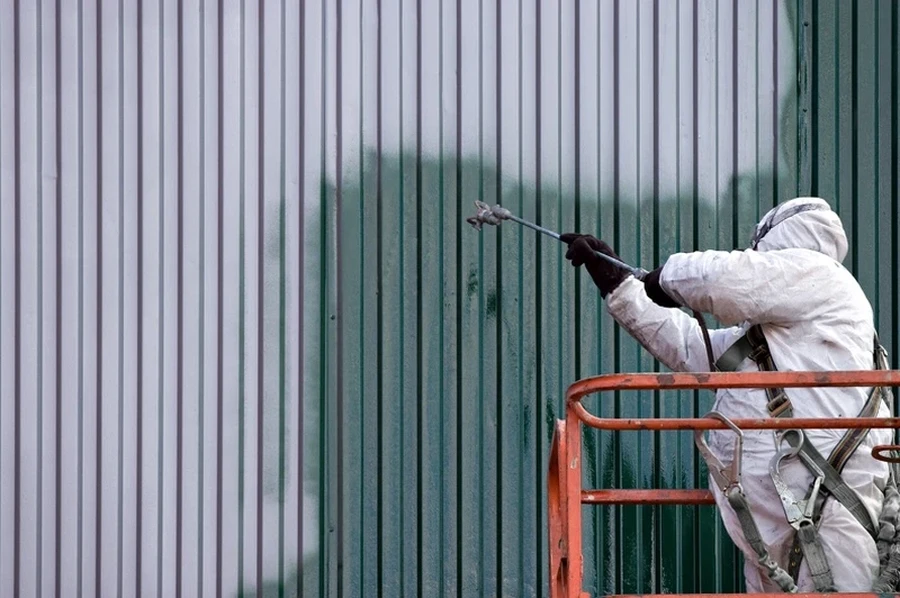
Exterior painting is not just about color. It protects wood, siding, and trim from rain and sun. If the weather is wrong during the job, the paint may peel or crack early. That means more repairs and more cost later. Good timing helps the paint bond well and dry the right way.
Paint needs steady air and surface conditions. Most products work best between 50 and 85 degrees Fahrenheit. When the weather stays in that range, the paint levels out and cures strong.
Early Warning Signs That Weather Caused Problems
You can often spot weather issues within days or weeks. Keep an eye out for these signs after exterior painting:
- Bubbling or blistering on siding
- Peeling along edges or trim
- Cracking that looks like dry mud
- Fading in areas with strong sun
- Sticky spots that never fully dry
These problems often trace back to rain, heavy dew, heat waves, or cold snaps during the job.
Seasonal Checklist Before You Schedule Work
Before starting any service in the painting category, review the forecast for at least five days. Paint needs time to dry and cure without sudden changes.
- Check daytime and nighttime temperatures.
- Look at humidity levels, not just rain chances.
- Avoid painting right before storms.
- Plan around direct afternoon sun on large walls.
- Watch wind speeds on open lots.
Spring and fall are often safer seasons. Summer can work well if crews start early and avoid peak heat. Winter painting is risky unless temperatures stay mild both day and night.
Best Practices for Long-Term Results
Timing is only one part of success. Prep work also protects against weather damage. Surfaces should be clean and fully dry before paint goes on. Damp wood can trap moisture under a fresh coat.
Shade can help on hot days. Painting the shaded side of the house first keeps the surface cooler. On humid days, crews may need to wait longer between coats. Rushing this step can seal in moisture.
Quality products also make a difference. Some modern paints are made to handle light rain within hours. Others resist fading from UV rays. Even with better formulas, weather still affects drying and bonding.
What Not to Do During Poor Weather
Many paint failures happen because someone tried to beat the forecast. Here are common mistakes:
- Painting in direct midday sun during heat waves
- Starting a job when rain is expected that evening
- Applying a second coat too soon in humid air
- Ignoring overnight low temperatures
- Using leftover paint not rated for outdoor use
These shortcuts can cut years off the life of exterior painting. Waiting a few days for better weather is often the smarter choice.
When to Schedule Professional Help
Large homes, tall walls, and detailed trim add more risk when weather shifts. Professionals track surface temperature, not just air temperature. They also plan around sun patterns and drying times.
If your home has peeling or past moisture damage, weather becomes even more important. A trained crew can test for trapped moisture and suggest the right primer and paint for your climate.
Talk With a Local Team Before Your Next Project
Weather in Oakland, CA can change fast, and that affects every exterior painting project. At Florencio Handyman, we plan our work around safe temperature and humidity ranges so paint lasts as long as possible. We check surface conditions and adjust our schedule when needed. If you want help timing your next project, call us at (510) 216-4348 and we will set up a convenient estimate.